
29 Jan Henry Busby, Returning to Your Roots After Making It
Henry Busby, Returning to Your Roots After Making It
(5 minutes of value)
Shal Ngo: Director
I just talked to a Director who I would want to work with ALL the time.
He’s not flashy, he’s not loud, he’s real.
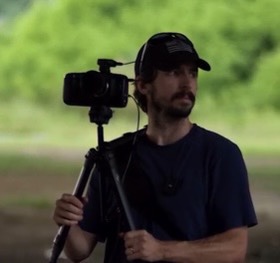
Meet Henry Busby, the Director who found success early on and chose to take a different route.
Here’s the full video :
The Art of Flipping an Interview
Sitting in hair and wardrobe for three hours in anticipation for an interview about mental health would be pretty nerve wracking. On top of that you’re meant to have an authentic conversation in front of a bunch of people and cameras. True story, what did Henry do to make his guest feel comfortable and open.
He flipped the interview.
He let the guest ask him questions about mental health.
And answered honestly.
To get someone to be vulnerable, you have to be vulnerable.
Size Does Matter
Henry prefers a smaller film team…why?
For Dove, he was able to turn a 2 day shoot into 10 days.
By reducing the noise.
AKA the number of people on set.
By reducing the number of technical aspects of the film, the more emotional freedom he gained.
He made the camera disappear and created results that weren’t forced, that were natural.
He got a Vimeo Staff Pick.
The Two Different Kinds of Passion Projects
There’s the project you do to get business and the ones you do for yourself.
Nothing wrong with the first. You just need to be honest with yourself and others. Am I doing this for me, or am I doing this to sell me.
Henry had this really cool passion project (the second kind) called the Life Stream. For 5 years he would capture moments in life, and export something that very same day.
He shared it with his friends.
The best feedback he got was
“This felt like life”
Local vs Commercial Film
Mr. Busby did both. He was a commercial baller signing with Voyager and Rattlesnake for some time.
He realized that he was sacrificing his physical and mental health.
He moved back to Alabama and began local filmmaking.
What changed?
His approach to connecting with the subject.
Commercial film is oriented on rigorous time sheets and fast-paced production. It’s hard to really get to know who you are working with.
Now he really gets to know who’s story he is sharing. Spending time with whom he’s filming is essential to his process, in fact, it’s the first step.
His skillset expanded because he was more reliant on himself
And he loves working in Alabama.